The US Marines: from the halls of Montezuma to the shores of the Red Sea?


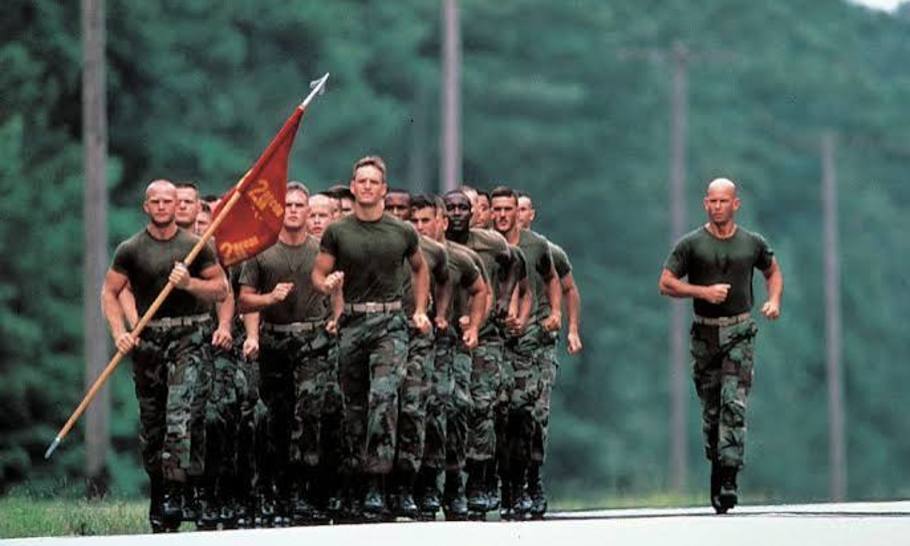
The United States Marine Corps
The United States has in the years since Vietnam developed a touching if misleading faith in targeted (or, as they sometimes say) “surgical” air strikes. With good intelligence and the highly precise air and naval capabilities deployed by the US, these are very effective in removing specific targets, such as the late Ayatollah Khamenei and most of his staff — though in that case it’s possible that the targeting and the strikes were actually carried out by the equally capable Israelis. But since Afghanistan and Iraq, where they lost a total of 7,073 people killed in action, the Americans have more or less stopped putting boots on the ground, even though it’s axiomatic that you can’t win a battle or a war without controlling territory.
These are two reasons that President Trump and his equally unimpressive “Secretary of War” Pete Hesketh aren’t winning their ill-considered war against Iran. The exercise of air power clearly appeals to both men – swift, noisy and providing dramatic video of targets exploding for the evening bulletins, as well as opportunities for more absurdly ferocious assertions by the orange one.
Now they’ve been shown up by the Houthis in Yemen. There they have conducted a devastating cross-border raid into southern Saudi Arabia, before seizing a stretch of Yemeni coastline opposite two islands in the approaches to the Bab el Mandeb choke point exit from the Red Sea, thus interdicting the Saudis’ alternative to the Straits of Hormuz as an oil export route.
The US has two formidable Marine Expeditionary Forces floating around southern Arabia – 64,000 highly trained Marines, “loaded for bear”, as Hemingway might have said. Arguably they should have been used months ago against the Iranian coastal bases. If Trump and his sidekicks were serious about helping their ally Saudi Arabia and calming the oil market, some of them should deal with the Houthis. One understands, though, why they would be reluctant. There would be casualties: the poor bloody infantry usually take the brunt of any conflict.
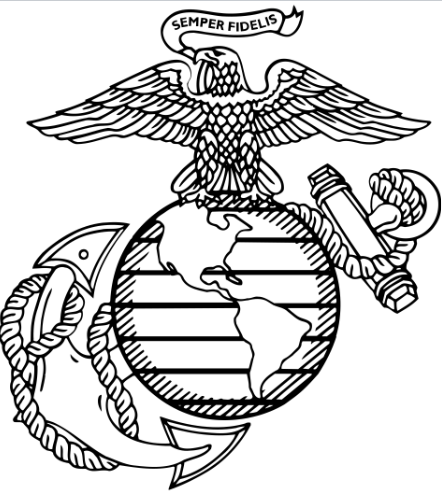
Eagle, Globe, and Anchor
The USMC has an honourable history in this regard, having eliminated the Barbary Pirates of the north African coast in 1809, as the opening lines of the Marine Corps Hymn remind us:
From the halls of Montezuma
To the shores of Tripoli
We will fight our country’s battles
On the land and on the sea
First to fight for right and Freedom
And to keep our honor clean
We are proud to claim the title of
United States Marine.
Our flag’s unfurled to every breeze
From dawn to setting sun;
We have fought in ev’ry clime and place
Where we could take a gun;
In the snow of far-off Northern lands
And in sunny tropic scenes;
You will find us always on the job
The United States Marines.
Here’s health to you and to our Corps
Which we are proud to serve;
In many a strife we’ve fought for life
And never lost our nerve;
If the Army and the Navy
Ever look on Heaven’s scenes;
They will find the streets are guarded
By United States Marines.
That final verse expresses the contempt often felt by elite troops for lesser mortals, the old unfair Marine slang for US soldiers being “dogie”, a 19th century western term for cattle. A retired US Marine told me that the people he really respects are our own Royal Marines: “Man, those guys are tough,” citing mutually satisfactory brawls at the end of various joint training exercises.
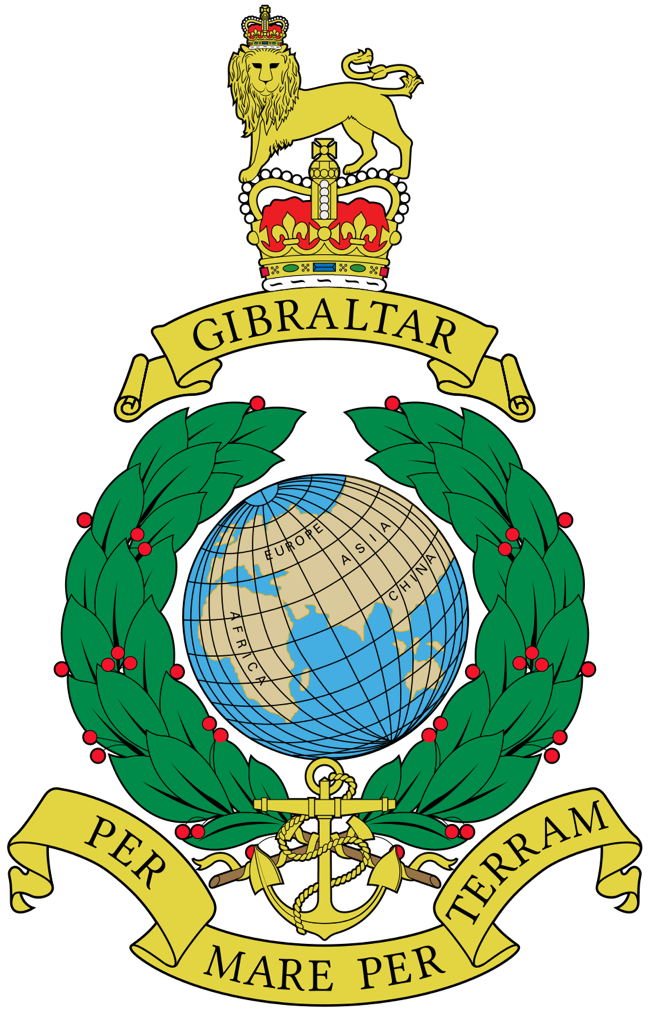
Badge of the Royal Marines
The Royals proved their formidable fighting skills in the Falklands, and would be well up to dealing with the Houthis if required. But we no longer have the means or the will to deploy any forces to the Red Sea.
A Message from TheArticle
We are the only publication that’s committed to covering every angle. We have an important contribution to make, one that’s needed now more than ever, and we need your help to continue publishing throughout these hard economic times. So please, make a donation.


