Opera’s access problem: it’s not all about price
 by
Harry Hyman
by
Harry Hyman
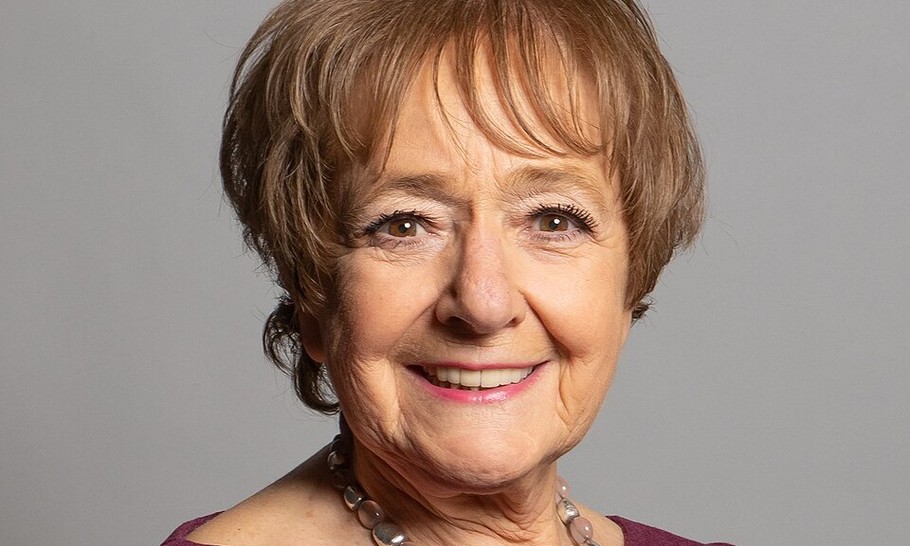
Official portrait of Rt Hon Dame Margaret Hodge
Just before Christmas, Baroness (Margaret) Hodge’s review into Arts Council England was published. It confirmed what many in our sector have long suspected: decisions affecting opera have been made without sufficient understanding of the artform. Opera is often criticised for its inaccessible nature. As a result, it is neglected. Baroness Hodge found that the Government and relevant funding organisations overlooked the sector’s nuance and importance.
I believe opera can be a source of great joy for everyone. In 2012, this conviction led me to establish the International Opera Awards, not only to celebrate excellence but to help it reach new audiences. Over the past 14 years we have now provided over £700,000 in bursaries to young artists. Yet the issue of inaccessibility remains urgent.
Days after our 2025 International Opera Awards ceremony in Athens, new research in the Journal of the Association for Consumer Research revealed the scale of opera’s accessibility problem. The timing feels significant. Just as we celebrated excellence in the art form, the study exposed the most pressing challenge opera must address.
The research, which surveyed 7,500 people, challenged assumptions about barriers to opera attendance. While ticket prices reaching £400 are prohibitive for the vast majority, the study found that social connections and a feeling of belonging were among the strongest predictors of who attends opera, classical concerts, and galleries.
This matters profoundly. The perception that opera is elitist hampers efforts to secure funding and government support. Baroness Debbonaire, Chief Executive of the UK Opera Association, went as far as to say that this label has “taken a grip on decision-makers”. Opera has long been a significant part of Britain’s cultural identity and continues to contribute meaningfully to our economy. In 2022 our creative industries, within which opera plays an important part, contributed over £125 billion in gross value added. The reputation of opera being “out of reach” for the average Briton risks tarnishing this jewel in our crown.
The research doesn’t diminish the importance of affordability. With Arts Council England funding stagnating and local authority cultural spending falling 50% over 14 years, access remains constrained. The simultaneous cuts to English National Opera’s funding and touring grants for Welsh National Opera and Glyndebourne remain inexplicable. But even when we address cost, it’s clear that we must tackle something deeper: the cultural barriers that make people feel opera isn’t for them. Outreach programmes, mentorship schemes and educational initiatives that introduce young people to opera must work alongside subsidised tickets.
Yet accessibility challenges extend beyond our borders. Music is a language that transcends any divide, and opera itself is inherently multicultural: sung in multiple languages, performed globally, it requires collaboration across frontiers. Brexit has created obstacles to our talent pipeline and productions.
Young British artists who might bring fresh perspectives to UK stages struggle to access vital European training and opportunities. As Baroness Debbonaire observed, Brexit “is one reason why morale is rock-bottom among young British singers. They can’t see a sustainable career path, in or out of the country”. International co-productions that could reduce costs and expand audiences become harder to arrange when movement is restricted.
There is, however, reason for optimism. The Government has committed to work towards a youth mobility visa with the EU, and the UK’s entry into the Erasmus+ scheme for language students in 2027 shows that a full Young Mobility Scheme is within reach. For opera, implementing this would be transformative, reconnecting British talent with European opportunities whilst welcoming European artists who bring different perspectives to our stages and training institutions. This transfer of people and ideas is the very lifeblood of opera.
The Hodge Review offers practical solutions alongside its critique. Its recommendation that the Government amend the Theatre and Orchestra Tax Credit schemes to make touring affordable for opera companies addresses a critical access barrier. Touring brings opera to audiences who would never otherwise experience it, building the sense of belonging that research shows matters so much.
The Arts Council England must now create real pathways for talent from all backgrounds, ensuring they can afford to participate, feel they belong, and access the international ecosystems where excellence develops. In 2026, opera companies must demonstrate their commitment to change through programmes that actively build cultural capital rather than assume it, ticket pricing that reflects economic reality, and advocacy for mobility schemes that let talent flow.
Britain can lead culturally by ensuring that opera serves everyone who wishes to engage with it, whilst maintaining the international collaboration that makes the art form vital. These aren’t separate challenges — they’re interconnected. A more accessible, diverse opera sector at home strengthens our global standing. International exchange brings fresh perspectives that help break down domestic elitism.
Opera will only thrive when we match celebration of artistic excellence with equal commitment to access. The Hodge review offers a moment to get this right. As we start a new year, opera’s future, and Britain’s cultural leadership, depend on how we react.
Harry Hyman is the founder of the International Opera Awards.
A Message from TheArticle
We are the only publication that’s committed to covering every angle. We have an important contribution to make, one that’s needed now more than ever, and we need your help to continue publishing throughout these hard economic times. So please, make a donation.


