‘Fauda’ and October 7


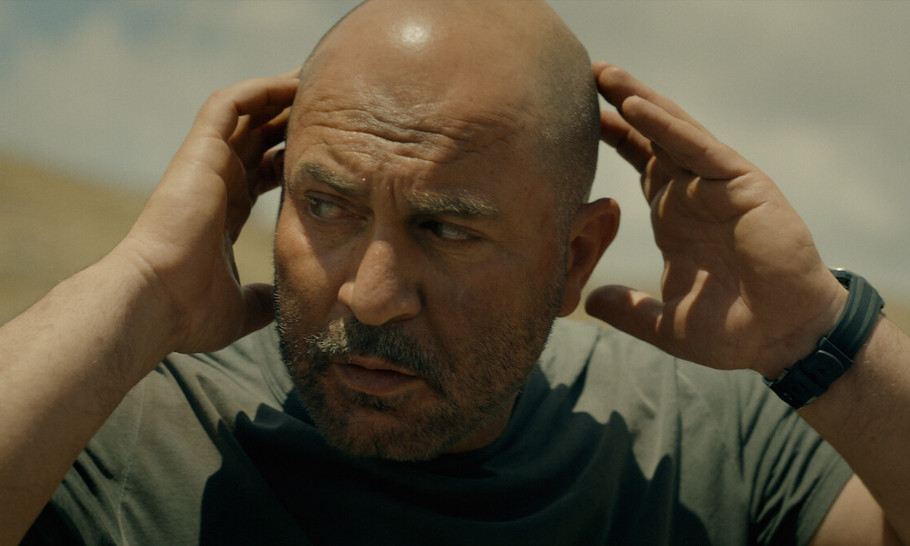
Fauda: Season 5
Fauda (meaning “chaos”) is one of the great Israeli TV series. Internationally, the series is available on Netflix. The first series was shown in 2015. The first four series followed the adventures of special Israeli soldiers trained to operate undercover as Arabs for intelligence-gathering operations in the war between Israeli special forces and Palestinian terrorists. Season 5 was filmed in 2025 and was released in May. It was developed by Lior Raz (who plays Doron) and Avi Issacharoff, who drew on their experiences in the Israel Defense Forces (IDF). The first four series all consist of twelve episodes; Season 5 is just eleven.
In the Middle East, Fauda was ranked as the most watched Netflix show in Lebanon, the second most-watched show in Jordan, the United Arab Emirates and Bahrain, the third most-watched show in Qatar, Oman and Kuwait, the fourth most-watched show in Egypt, the fifth most-watched show in Morocco, and the ninth most-watched show in Saudi Arabia. It has even drawn big audiences in the Palestinian Territories.
The fifth season is set two years after the events of the October 7 attacks. Acting without orders, Eli, one of the key figures in the Israeli undercover squad, and a Bedouin named Salem (Bian Anteer) travel to Marseille to capture a Hamas terrorist who was involved in the October 7 attacks. Doron and Steve (two other key recurring characters from previous series) are sent by their superiors to stop the rogue agents. Eli and Doron infiltrate a local Hamas terrorist group in Marseille, who are plotting to launch a major attack on Israel timed to coincide with Yom HaZikaron (Memorial Day).
What makes Fauda such an outstanding programmme is the cast, the suspense that runs through all the programmes and the emotional power. It’s not just about fighting Palestinian terrorists. It’s as much about the relationships between the men in the squad and their female colleagues and, above all, between the men and their families, especially their wives. Season 5 is the most moving of all because it deals with the terrible aftermath of October 7 and the two episodes which deal with the massacre are simply astonishing. Season 5 has been the most highly rated series so far in Israel. There has been nothing better about those terrible events and they should be compulsory viewing in our universities, Jewish cultural institutions and mosques and in Parliament. In particular, Ed Miliband, Andy Burnham and the head of the Met should all watch Season 5. They would find it very instructive.
Series production manager Matan Meir, a reservist in the IDF, was killed by a bomb trap in a Hamas tunnel in the Gaza Strip on 11 November 2023, while deployed during the Gaza war. Idan Amedi, who appeared in Seasons 2-4 as Sagi, was severely injured in Gaza on 8 January 2024 while serving as a reservist in the IDF. A blast that was the result of a premature explosion intended to demolish tunnels killed six soldiers and resulted in shrapnel hitting Amedi in his neck and spine.
A few recommendations if you haven’t already watched the series. First, avoid the dubbed version. It is much better to hear Israeli and Arabic spoken, even if you have to concentrate more on subtitles. Start with Series 1. The back-story is so important. Not just the plot but also you need to immerse yourself in the relationships between the key members of the group and their families. Don’t expect the series to be all about the fighting. The complex inner lives of the characters, Israeli and Palestinian, is just as important, if not more so. This includes the relations between colleagues, between parents and children as much as between husbands and wives, and, of course, between enemies. Everyone will have their own favourite characters. Some will admire Doron for his tremendous courage and refusal to back down in the face of his superior officers. Others might prefer the more enigmatic boss of the unit, Gabi, so calm, so smart.
Also be prepared. Fauda can be brutal, even traumatic, and nowhere more than Season 5 which is an assault on the emotions. It also moves back and forward in time. Like earlier series it moves between Israel and Gaza, between the Middle East and Europe. Characters, including the undercover squad, move between Hebrew and Arabic. And perhaps, above all, it moves between romance and violence, sympathy for Palestinian characters, trapped by their history, and loathing for the terrible things some of them do.
One of the great achievements of contemporary TV drama is how the best series have dealt so well with Big History: 9/11 (24 and Homeland) and October 7 (Fauda). They have left cinema way behind.
Last but not least, Israeli TV is on a roll. Apart from Fauda, there have also acclaimed series like Shtisel (three seasons shown on Netflix between 2013-21), about a Yiddish-speaking orthodox family living in Jerusalem; Tehran (three seasons shown so far on Apple TV between 2020-26), an Israeli spy thriller, which premiered in Israel and internationally on Apple TV in 2020, with big star names like Glenn Close and Hugh Laurie; and Prisoners of War (2010-12), which inspired the American hit series, Homeland.
A Message from TheArticle
We are the only publication that’s committed to covering every angle. We have an important contribution to make, one that’s needed now more than ever, and we need your help to continue publishing throughout these hard economic times. So please, make a donation.


